

 GP Services
 Allied Health Services
  Mental Health Services
  GP Consultation
  eScript & Prescription
  Online Medical Certificates
  Specialist Referral Request
  Pathology Referral Request
  Radiology Referral Request


 Physiotherapy
  Dietetics
  Telepsychiatry & Online ADHD Psychiatrists
  Online Psychologists
  What We Offer
  Telehealth Services
  Health Conditions


 Certificate Validity
  Corporate Health Services
  Online Doctor Consultation Melbourne
  Online Doctor Consultation in Adelaide
  Online GP Consultation Sydney
  Telehealth Consultation in Perth
  Telehealth GP Appointment for Brisbane Residents
 Key Takeaways
- Start early: Purify your space, close the windows tightly, and check your AC filters before the smoke arrives.
- Understand your air: Download a local air quality app on your phone and study the significance of the colours for different activities.
- Make a place: Select and designate one room in your house as your “Clean Air Zone” to use when air quality worsens.
- Use Telehealth to the fullest: Do not expose yourself to poor air quality during a consultation. Online GP consultations should be sufficient for administrative tasks such as discussing ongoing care needs and administrative updates.
Bushfire: Get ready well in Advance
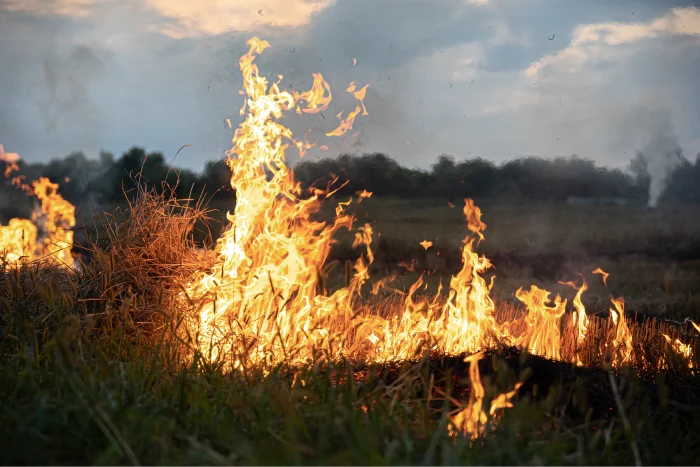
In Australia, the summer season is a time of warmth and sunshine, but also concern for many people. On the one hand, we love cricket and barbecues; on the other, we know that the environment around us is flammable. The first things that come to mind are the fire and the damage it inflicts on life and property, but smoke can spread over long distances and may contribute to respiratory discomfort and irritation, in addition to reducing comfort.
It helps to think about lung health before smoke becomes visible. The ideal time to prepare for breathing clean air is when the air is still pure. Getting ready ahead of time is not about being scared; it is about being logical. It is a way to stay indoors without discomfort, anxiety, or risk when there is smoke in the air.
We will discuss how to monitor air quality around us, how to improve air quality in your home, and how to protect your health before the situation becomes critical.
Why the smoke from bushfires is so irritating
A large amount of the smoke inhaled during a bushfire is not simply the smell that we usually confuse with a campfire.
When wood and other natural materials are burned, smoke is a mixture of gases and fine particles released. Particulate matter (PM2.5) is the main ingredient in the air that irritates our breathing.
PM2.5 is fine dust particles. Since these particles are tiny, about 30 times smaller than a human hair diameter, they can travel deep into the lungs when inhaled.
The Influence
If a fit and healthy adult in the Australian community is only exposed to bushfire smoke for a few minutes, they may suffer from a mild sore throat, a bit of irritated eyes, or a runny nose. On the other hand,longer exposure to smoke may increase throat irritation and breathing discomfort, and only then is the prevalence of breathing problems increased for those with existing lung conditions.
- You may experience physical sensations, such as a sensation of chest tightness or shortness of breath, and you will likely also feel a heightened need to sleep or rest.
- As a lifestyle change, smoke exposure often leads people to limit outdoor activity and keeping the windows closed, which may affect comfort and wellbeing but also to the regular rhythm of our lives.
Understanding that smoke is a pollutant enables us to take the necessary actions to maintain a comfortable life to the greatest extent possible, rather than waiting until symptoms appear.
Health Insight: Smoke can have a similar irritant effect on our respiratory system as pollen. If you are asthmatic or have another respiratory condition, or if you experience hay fever, preparing will help reduce your exposure to smoke. You may find general allergy preparation tips helpful for similar measures.
Confirming the air quality before heading out
Access to information may be one of the greatest blessings of our time. Just as you keep your practice of checking the weather forecast to know whether to take an umbrella with you or not, similarly, you should make it a routine to check the Air Quality Index (AQI) during the bushfire season.
Making Use Of Public Air Notifications
Air quality information is regularly updated by state authorities and the Bureau of Meteorology. AQI values are divided into several categories, ranging from “Very Good” to “Hazardous.”
- Reasonable/Fair: The weather is favourable for outdoor activities.
- Poor: The air is laden with dust. We recommend limiting outdoor exercise and high-intensity workouts.
- Very Poor / Hazardous: It is generally recommended to avoid outdoor activity.
Apps and Tools for Planning
For the purpose of receiving alerts related to your state directly on your mobile, you may consider installing one (or more) of your state’s apps (such as ‘AirRater’ or a local EPA app).
- Push Notifications: Set push notifications for Days with ‘Poor’ air quality so you are aware and prepared when you go out for your morning jog.
- Plan: If you commute to work, check the air quality not only where you live but also where you work. The wind can very rapidly change the direction of the smoke.
This resource is the opening section of Planning Ahead, which addresses one’s health routine and the environmental factors that influence it.
Making Your Home Comfortable
When the air outside smells of smoke, many people choose to stay indoors during smoky conditions. The well-made sealing of your house helps reduce the amount of outside air entering will play two roles. At first, this does not imply that you are required to revamp your home. In second place, this might only be achievable through some effective “pre-seasonal cleaning”.
The exclusion from irritants of dust and the like
Particles from smoke tend to accumulate in specific areas of your house. As a result, if your home is very dusty, the smoke’s impact on your lungs will be exacerbated.
- A thorough clean before the season starts can help: Establish a difference between your daily cleaning and this type of cleaning. Remove the dust that is stored away and hard to access. After vacuuming the areas under the bed, the next step is to wipe the blinds and wash the curtains.
- Sources Minimise: During periods of smoke, you should avoid indoor air pollution (e.g., candles, wood-burning stoves) and food frying.
Some ventilation advice
The fact that our homes in Australia are mainly designed to “breathe” suggests how this system cools them in summer. It is generally advantageous, except when smoke is involved.
- Seal the Gaps: Keep weatherstripping tight around doors and windows to prevent air from leaking in or out. The cracks providing some daylight are now also the paths through which smoke can enter your house. Door sweeps are simple and very effective, so don’t hesitate to put them under your doors.
- Air Conditioner: A reverse-cycle air conditioner can help manage heat and reduce indoor smoke exposure Therefore, you must clean the filters immediately. Equally, you need to know how to switch it to ‘recirculate’ mode to avoid bringing in smoky outdoor air while cooling.
If you want additional ways to keep your home environment healthy, then here is a detailed guide to indoor prep that is worth your time.
Set up a cleaner zone.
In a “Queenslander,” or even in an old house, which is not tightly sealed, the fact that you cannot smoke-proof your whole home might be neglected. In this way, the best thing you can do is to choose one room of your home where you can keep the “Clean Air Room” consistently tidy and free of pollutants.
Making your haven
Pick a room where you can be alone most of the time, like the living room or the bedchamber.
- Stay Close To The Door: Whenever feasible, keep the door closed to maintain the air inside as fresh as possible.
- Take Your Air Purifier Along: When you buy an air purifier, choose one with a HEPA filter. It is designed to help reduce fine particle levels indoors. Locate it in the room you are in.
- Comfort Is Key: Since the Clean Air Room is meant to serve you well, it is only fair that you make it a place where you’ll find enough water, a good selection of entertainment, and regular medications.
When the whole house is filled with smoke, having a fresh air supply in your home may help reduce ongoing smoke exposure.
When to See a GP via Telehealth
It is widely agreed that preparation is one of the most crucial factors for success; however, you may sometimes require professional assistance. The telehealth clinic experience has demonstrated that it can be a practical way to access health advice during the bushfire season, especially for those sheltering in clean air zones.
Things to put in order and follow up
A medical emergency is not a condition that calls for a single desperate action of a doctor. One of the smartest things you can do is to arrange a meeting with the doctor beforehand.
- Written plans: Telehealth consultations are the most convenient way to review your asthma written plan and review whether your current medications are appropriate
- Medication reels: Maintain a comfortable stock level of your usual inhalers and other medicines. The best time to plan for potential shortages is when the air quality is hazardous.
- Documentation for work: In case your breathing becomes so bad that you are not in a position to work or to only a limited extent, a doctor may issue a medical certificate, where appropriate in your condition.
Looking after children and the elderly
Those most vulnerable within the family must receive specific care. Children breathe faster than adults because their lungs are relatively smaller than their bodies. It is easier for older adults to experience physiological stress from environmental factors such as smoke exposure, as they generally have fewer reserves.
Scheduling Day-to-Day for Dependents
- Unpacking the ‘Indoor Play’ Box: In most cases, it is undeniable that children can become frustrated when a parent forbids them for a third time in a week. Thus, to distract them, you should fill up the box with indoor games and activities even before the smoke makes the air unbreathable.
- Check-in Protocols: If your elderly parents live alone, a communication plan is necessary. For example, “I will be calling you every morning when the AQI is greater than 100.” Ensure they know how to close their windows and use the air conditioning.
- Hydration: The human body is designed to soften mucus with water. It is therefore essential to ensure that children and older adults drink water regularly.
If you want to learn about family health issues, consider browsing our Family Support page.
Protecting the privacy and security of your health conversations
Times are tough, and you use digital health devices, yet your data is not always secure.
Even if you are merely reviewing a respiratory history or ordering a repeat prescription,appropriate security measures are used to protect telehealth sessions. Keeping your personal information confidential not only reduces stress but also enables you to focus on your health and comfort.
References: