Introduction
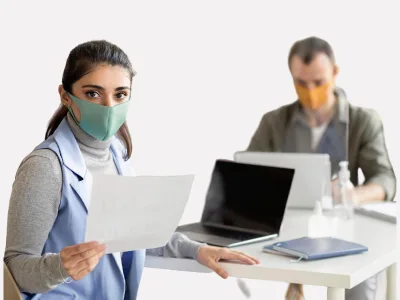
In Australia, respiratory infections are a significant cause of workplace absenteeism. Flu season or COVID-19 waves notwithstanding, those illnesses can be so contagious and quite capable of utterly depleting you. Besides, when you are the least capable of going to work, the best thing for you is to rest rather than getting the paperwork your employer requires and spreading germs in the process.
Rest is commonly recommended as part of recovery from minor respiratory illnesses. With our platform, you can request a telehealth consultation with an AHPRA-registered doctor, who may assess your symptoms and determine whether medical documentation is clinically appropriate.
In this article, you will learn how telehealth consultations may be used to assess respiratory symptoms and consider whether supporting documentation is appropriate, what sick leave regulations the Fair Work has, and how to keep your medical documents confidential.
Disclaimer: The service is intended for issuing administrative documents based only on clinical assessment. Telehealth consultations may be suitable for some non-severe respiratory symptoms, depending on clinical assessment. In case you experience severe symptoms like difficulty in breathing or chest pain, urgent in-person medical care may be required.
If you feel weak and tired and would like to rest, you can arrange a telehealth GP consultation during which the doctor will call you from their office.
How are Respiratory Infections Defined as Grounds for Work Leave
In general, in the context of sick leave, the phrase "respiratory infection" is used as a catchall term for any viral or bacterial disease that affects the nose, throat, and lungs, whose symptoms render the person unable to work.
Examples of respiratory conditions commonly discussed during telehealth consultations include:
- Common Cold: The patient will most likely have a runny nose, a scratchy throat, and low energy.
- Influenza (The Flu): Typically, a very high temperature, shivering, muscle aches, and extreme tiredness are present.
- COVID-19: Symptoms may vary widely depending on the severity of the illness; typically, individuals must isolate themselves.
- Sinusitis: Nasal congestion and pain around the cheekbones, which may even get aggravated when using the computer.
At the documentation level, a detailed diagnosis is not required every time. During an online meeting, if the doctor determines that your symptoms prevent you from continuing work safely and efficiently, they may consider whether medical documentation supporting time away from work is appropriate.
When You Need a Medical Certificate for Cold, Flu or COVID
Under the Fair Work Act 2009, employees may take paid personal leave (sick leave) when they are unable to work due to a personal illness.
Employer Evidence Requirements
A few employers may take a "statutory declaration" at face value, but a significant number of companies' policies strictly necessitate a medical certificate in the following cases:
- Absences spanning more than two consecutive days.
- Absences on a Monday, Friday, or a day just before/after a public holiday.
- Repeating frequent absences.
Following a positive COVID-19 or flu result from a Rapid Antigen Test (RAT), an employer may still request that the worker provide a professional certification of illness instead of a photo of the test. The doctor with whom you have a telehealth consultation can examine your symptoms and test results and consider whether supporting documentation is clinically justified following assessment.
How Doctors Assess Respiratory Illness Over Telehealth
Patients often ask: "How can a doctor check my throat over video?"
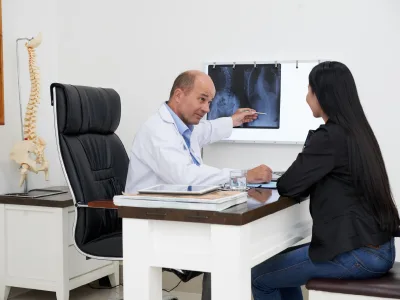
Although physicians cannot physically listen to your lungs over the phone, consultation GPs registered with AHPRA are trained to conduct visual and history-based examinations via telehealth.
The Telehealth Workflow
- Visual Check: The physician will check your face, monitor your breathing rate, and observe your hands to determine whether you have any way of communicating that you are out of breath.
- History Taking: The physician will ask whether you have had a fever, how long the symptoms have lasted, and whether the pain is severe.
- Red Flag Screening: They are looking for signs of very sick patients (e.g., blue lips, wheezing) who should be taken to a hospital.
If the medical practitioner indicates that your illness is not serious and that you can recover safely at home, but you must be off work for that period, they will provide a certificate. If the medical practitioner identifies red flags, they will refer you to a doctor for an in-person visit. Telehealth consultations include appropriate clinical screening and escalation where required.
What Happens After Your Consultation
Where a medical practitioner determines documentation is appropriate, administrative steps follow in line with platform processes.
- Generation: The certificate is digitally signed and includes the provider's number. The certificate is issued promptly.
- Delivery: The certificate may be available in your patient dashboard, or it may be attached to the message we send to your facilitator's inbox.
- Privacy: We will not be sending the certificate to your employer. You are responsible for sending the secured certificate to the HR department.
Employer Verification and Legality of Digital Certificates
In Australia, if medical certificates are issued by doctors who are duly registered and therefore qualified, it does not matter whether the doctors saw their patients in their clinics or via telehealth; employers must accept the sick certificates.
To prevent fraud, Prime Medic certificates include a unique verification code or QR code. Employers can scan this to verify that the document is authentic and was issued by a licensed physician. This system supports document verification without disclosing clinical information. without giving the employer access to your private medical notes.
Healthdirect Australia is the place to go if you want to know more about health rights.
Staying Home vs Working: Understanding Workplace Safety
For respiratory infections, the decision to remain at home is about not only the individual's recovery but also the health and safety of the workforce (WHS). If you decide to go to work while still infectious (even if it's just a "mild" cold), you are endangering not only yourself but also your colleagues.
The "Soldiering On" Myth
In case somebody keeps on "soldiering on", it typically leads to their recovery taking a longer time, and the infection spreading even more in the office. Presenting a medical certificate confirms your need to isolate for a period. It may be that your symptoms are pretty mild when you go to sleep, but by the time you wake up, they are more severe. Please note that consultation services are available late into the evening. Therefore, you can get assistance and the necessary leave documents without having to wait until the next working day.
Fit-to-Return Guidance After Respiratory Illness
It is often a lengthy process to get over the flu or COVID-19. In some instances, the company you work for may want you to have a doctor's clearance certificate before you can return to the office, especially if your job is related to food service, aged care, or healthcare.
A Fit-to-Return certificate may indicate that a practitioner has assessed you as fit to resume duties at that time and that you can resume your work responsibilities. Doctors working via telehealth can conduct follow-up checks on your recovery and issue a proper Fit-to-Return certificate to ensure a seamless return transition.



 GP Services
 Allied Health Services
  Mental Health Services
  GP Consultation
 eScript & Prescription
 Online Medical Certificates
 Specialist Referral Request
 Pathology Referral Request
 Radiology Referral Request


 Physiotherapy
 Dietetics
 Telepsychiatry & Online ADHD Psychiatrists
 Online Psychologists
 What We Offer
  Telehealth Services
 Health Conditions


 Certificate Validity
  Corporate Health Services
  Online Doctor Consultation Melbourne
  Online Doctor Consultation in Adelaide
  Online GP Consultation Sydney
  Telehealth Consultation in Perth
  Telehealth GP Appointment for Brisbane Residents