For Employers

Prime Medic Online GP and Telehealth Services Across Australia

australia-icon

Australian owned - AHPRA registered

A medical certificate forperiod pain, from a GP who asks why it hurts

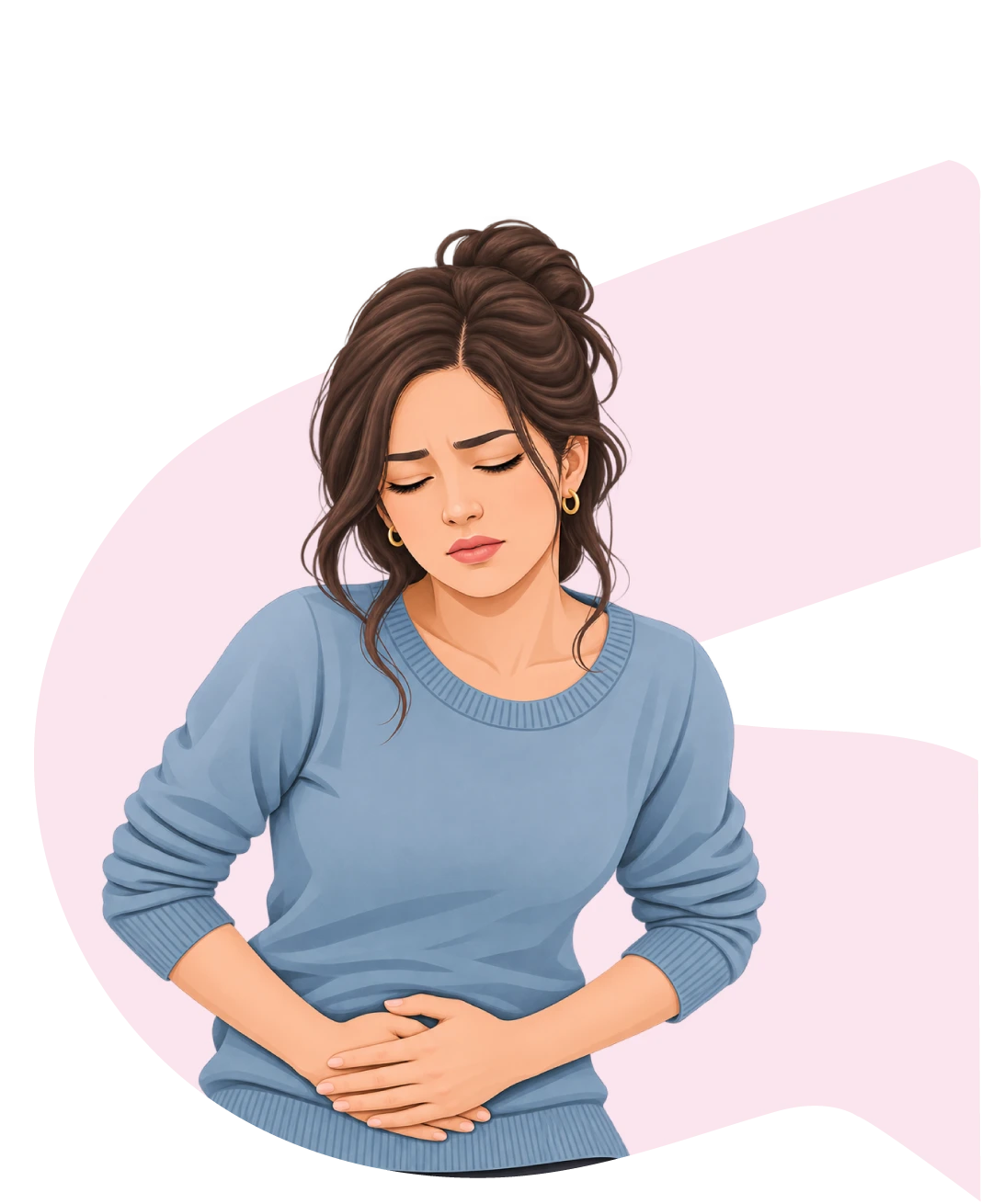
Cramps that keep you curled up on the couch are a real reason to miss a shift or a lecture. Over the phone, a Prime Medic GP hears how this cycle is going and, if you're unfit for work or study, issue a medical certificate for period pain. They'll also ask whether the pain is changing.

4.6
500k+

Consultations Completed

AHPRA-Registered

Australian Practitioners

24/7

Consultation Available

100%

Secure & Private

Prostaglandins squeeze the uterus, and that squeeze is the cramp

Period pain, or dysmenorrhoea, is cramping in the lower belly around the start of a period, sometimes spreading into the back or thighs. Chemicals called prostaglandins make the uterus contract as it sheds its lining. That's why it peaks early. Some people feel sick or get loose bowels with it, too. Pain that builds year after year can come from endometriosis or another cause.

Missing work, school or uni most cycles
Pharmacy pain relief barely touches it.
Heavy bleeding along with the cramps
Pain that now lasts beyond the first couple of days

Time off comes first, then a closer look at the pain itself

Most calls start with the practical part. Tell the GP which shift, class or exam you're missing and what the pain stops you doing. When they agree you're unfit for work or study, the certificate is dated for those days. They'll also ask how long it's been this bad, because pain that has crept up over months needs more than rest.

Over-the-counter options stopped working. A pain treatment review looks at what you take and when.

Pelvic ultrasound referral when pain is severe, worsening or comes with heavy bleeding

Specialist input: a gynaecologist referral if pain stays severe despite treatment or a scan finds something.

A few period start dates on paper tell the GP a lot

A tracking app makes this easy. Jean Hailes recommends noting when each period starts, how long it lasts, how heavy it gets and how the pain affects you.

The dates you need covered for work, uni or school
What you've tried so far, from a heat pack to pharmacy pain relief, and whether any of it helped.
Pain with sex, or when you wee or poo around your period. Mention it even if it feels awkward.
Any chance you're pregnant

Sudden severe pelvic pain with a possible pregnancy is an emergency

Phone consults suit your usual cramps, certificate requests and planning tests. Pain that's new, sudden or unlike your normal pattern needs someone to examine you in person.

Sharp, severe pain low in the pelvis and any chance of pregnancy: emergency department, now.

Fever with pelvic pain or unusual discharge. See a GP in person the same day, since an infection may be involved.

Soaking through a pad every hour, or feeling faint and dizzy, means the emergency department.

Call 000 if you collapse or pass out with the pain.

Give any new plan two or three cycles before judging it

The certificate comes as a PDF by email after the call, if the GP issues one. Forward it straight to work or uni. Changes to how you manage the pain take time to show, so book a follow-up after two or three periods and bring notes on what shifted. After an ultrasound, the GP goes through the report with you, including what it can't show.

Period pain that worsens over the years can point to another condition

Cramps that began in your teens and fade after day two are the common kind. Pain that builds over the years, lasts longer or turns up between periods is different. Endometriosis, adenomyosis and fibroids are the usual suspects. The Pelvic Pain Foundation says pain lasting beyond a day or two, or getting worse over time, is worth getting checked.