Introduction
A person indeed needs not only to heal from a disease or injury but also to be prepared to return to work. Employers have workplace health and safety responsibilities and may, in some circumstances, request a Fitness-to-Return note (clearance certificate) as part of their internal policies to confirm that you are ready to return to work, based on the information reviewed during the consultation.
A "Fit-to-Work" certificate is contrary to a traditional medical certificate that just excuses you from work. Instead, it provides a medical opinion regarding your readiness to return to work duties at a particular point in time.
This article is all about these documents, the people who usually require them, and what kind of details AHPRA-registered doctors put in place to be in line with employer needs while keeping your confidentiality intact.
It concerns only one of the many administrative health services we provide. You can view it on our Online Medical Certificates page.
What Is a Fitness-to-Return or Fit-to-Work Certificate?
A Fitness-to-Return certificate outlines a medical practitioner's opinion on a patient's readiness to return to work or study following an assessment.
Its objective at work
Its primary function is safety. The employers have to be sure of the following:
- After a contagion (e.g., COVID-19 or gastro), are there any medical considerations relevant to returning to work following a recent illness?
- You are capable of handling your work both physically and mentally, and you will not cause yourself further injuries.
- Whether, based on the assessment, there are any known limitations or considerations related to workplace safety.
General vs. Role-Specific:
- General Clearance: Your doctor noted that recovery was discussed during the consultation, based on the information available at the time.
- Role-Specific Clearance: You need evaluation of your specific work activities on a more personal level (e.g., "Fit to lift heavy loads"). Telehealth may be suitable for some general clearance assessments, depending on the role and the information available during the consultation. Complex physical functional assessments may require an in-person visit.
Please refer to our Fit-to-Work Clearance Certificates for more details on the types of clearance we provide. We are committed to maintaining strict compliance with document quality standards.
Who Needs a Fit-to-Return Note?
There is no need to take a day off due to illness with a medical clearance. Nevertheless, the requirement is raised due to specific policies or circumstances.
Typical cases
- Post-Infectious Illness: Going back to the roles of food handling, healthcare, or aged care after having a contagious disease such as influenza or gastroenteritis.
- Post-Injury: Returning to work involving manual labour after a back strain or limb injury, where recovery and functional capacity have been discussed during the consultation.
- Extended Leave: Human resources departments generally require a medical check-up after a prolonged absence (e.g., more than 2 weeks).
- Employer Request: If the employer is genuinely concerned about the employee's ability to work safely, they may request documentation in line with workplace policies and relevant employment arrangements.
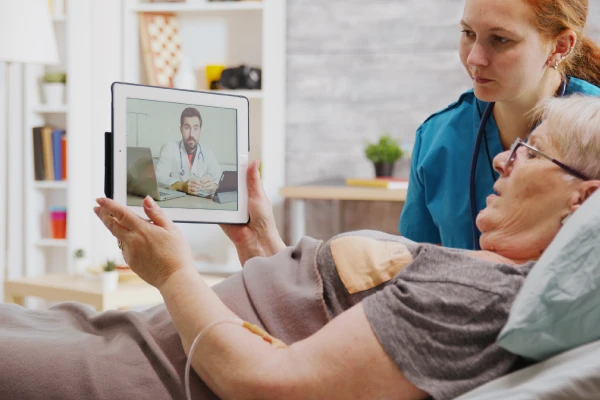
Are you eligible to undergo a remote assessment? Review the eligibility rules for medical certificates. Then, you may opt for telehealth consultations for fitness-to-return evaluations to discuss your readiness to return to work.
Information Typically Included in a Fitness Certificate
An employer needs specific information to verify the authenticity of a medical certificate. On the other hand, doctors also keep the circle of information relatively small in order not to offend your privacy or reveal your medical history.
Standard Information
- Doctor's Identification: Name, AHPRA registration verification number, and clinic contact details.
- Patient's Identification: Full name and birthday.
- Date of Examination: The date on which the consultation took place.
- Clearance Statement: A statement such as "Based on the consultation, there are no medical considerations identified that would prevent a return to normal duties from [Date]" is provided.
Light Duty (If any)
On certain occasions, the doctor may endorse your certificate with the notation "Fit for Light Duties." This would mean that your activity resumption has some limits, like:
- "No lifting over 5kg".
- "Only seated duties".
- "Reduced working hours for a week".
Reminder: Because telehealth doctors have only the patient's verbal history and visual evidence from video, recommendations are based on the information provided during the telehealth consultation.
We are facing the challenge of balancing transparency and confidentiality. To learn more about how we handle data, please check our privacy and quality compliance framework sections.
How Employers Verify Fit-to-Return Notes
Before an employee returns to work, employers may verify the authenticity of a clearance document, especially in safety-sensitive workplaces.
- Digital Verification: Prime Medic certificates include a unique identifier or QR code to verify authenticity. The employer can verify the document by scanning the code, confirming that our system issued it.
- AHPRA Check: The employer can verify the doctor's registration status through the national register.
Employers can learn more about the verification process in our guide, "Who can validate an online medical certificate?" You may follow our page on the AHPRA registration check guide to verify the doctor's credentials yourself.
Privacy and Data Protection for Employees
One of the most common concerns is that a "Fit-to-Work" note effectively gives an employer access to your entire medical file. This is not the case.
Your Rights
- Patient consent is obtained as part of the consultation and documentation process.
- The certificate is primarily focused on the patient's ability to work and does not provide details of the diagnosis. It does not need to be an exhaustive list of symptoms you have experienced; however, you may be asked to confirm that your symptoms have improved or resolved, based on your own experience.
- OAIC Standards: We strictly comply with the Australian Privacy Principles. We do not give out any information about your consultation to your employer without your explicit, written permission.
If you want a more detailed explanation of your rights, please review our privacy policy and legal compliance overview.
Need Medical Advice?
Consult with our experienced doctors from the comfort of your home. Available 24/7 for your convenience.



 GP Services
 Allied Health Services
  Mental Health Services
  GP Consultation
 eScript & Prescription
 Online Medical Certificates
 Specialist Referral Request
 Pathology Referral Request
 Radiology Referral Request


 Physiotherapy
 Dietetics
 Telepsychiatry & Online ADHD Psychiatrists
 Online Psychologists
 What We Offer
  Telehealth Services
 Health Conditions


 Certificate Validity
  Corporate Health Services
  Online Doctor Consultation Melbourne
  Online Doctor Consultation in Adelaide
  Online GP Consultation Sydney
  Telehealth Consultation in Perth
  Telehealth GP Appointment for Brisbane Residents