Introduction
Menstrual health problems have, for many years, been among the things that have been ignored or downplayed in the working environment. A lot of employees have felt that they must endure severe pain and discomfort without taking a break; they are afraid that if they take sick leave due to "just a period, " it will be viewed negatively or not seriously. Nevertheless, the truth is that conditions like dysmenorrhea (painful periods) or Polycystic Ovary Syndrome (PCOS) can be so debilitating physically that they may greatly hinder a person's ability to do their job safely and effectively.
Australian employees should be aware that menstrual pain and PCOS symptoms can be considered legitimate reasons for taking sick leave. According to Australian workplace law, if you are not in a condition to work because of a medical issue, you can take sick leave, but you must provide the necessary evidence.
At Prime Medic, we aim to make these discussions normal and provide help that is easy to access. We offer a confidential, quick way to obtain a medical certificate for menstrual pain or a PCOS absence certificate via telehealth. It lets you take a break and recover without the additional stress of waiting in a doctor's office when you are feeling weak or worrying about your privacy being violated.
Are you looking for menstrual leave documentation? It is discreet and straightforward to request a menstrual pain certificate online.
Impact of Menstrual Pain on Work
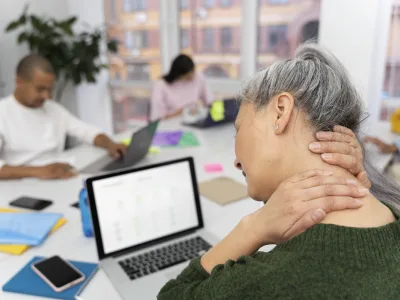
Menstrual cycles represent a natural biological process; however, numerous women suffer severely from symptoms. Such symptoms, which can be acute to the extent of being harmful to the brain and body, such as a severe headache or migraine, and malaise symptoms not conducive to work, have to do with physical and mental states, and they are often more serious when working in a stressful or fatigued state.
The Impact on Productivity and Safety
Severe menstrual symptoms can make working a total pain, even if this differs from one person to another. It is not a matter of "discomfort" alone, but, more importantly, of physical capability.
- Severe Cramping (Dysmenorrhea): The pain of extreme cramping can make sitting at a desk and standing for a long time out of the question. At this level of pain, it is hard to concentrate, so the risk of errors increases.
- Fatigue and Exhaustion: Hormonal changes are causing people to feel so tired that they can hardly function. When working in dangerous conditions, such as handling patients, driving, or operating machinery, fatigue is a risk factor for fatal accidents.
- Nausea and Gastrointestinal Distress: In some cases, a person may be so ill that vomiting, nausea, and dizziness are the first signs. The presence of such signs is not only unproductive but also unacceptable in the hygiene aspects of foodservice work.
- Migraines: Severe headaches are a pretty frequent type of hormonal migraine during menstruation, and so sufferers can often only be in a dark room and totally rest, hence no computer work is possible.
You have to understand that when your body tells you it needs rest, you cannot ignore it if you want to stay physically healthy. Pushing oneself when sick can delay recovery and lead to exhaustion later. Using online GP consultations allows you to discuss your work capacity with a doctor who understands your symptoms and can help you return to work.
PCOS, Related Absence That Requires Understanding
PCOS (Polycystic Ovary Syndrome) is a complicated hormonal disorder that can impact many individuals in Australia. Unlike a regular menstrual cycle, PCOS is highly irregular, and the symptoms are unpredictable, thus increasing the risk of absences at work.
The Unpredictability of PCOS
For PCOS employees, the term "time of the month" could be considered inaccurate. Symptoms can be at their worst, suddenly, after several months of being absent, or even have extreme periods without symptoms.
- Irregular Cycles: Unpredictability inevitably means that employee leaves cannot always be "planned." There may be occasions when an employee is absent without prior notice, and documentation must be completed immediately.
- Chronic Pain: Cystic ovarian cells or inflammation could be the reason for continuous pelvic pain in some individuals, besides PCOS periods.
- Mental Health Impact: Additionally, anxiety or mood disorders can be worsened by the hormonal imbalances associated with PCOS; thus, these mental health states should be considered as part of overall health.
More and more employers and HR teams are recognising the importance of providing PCOS time-off documentation. It's simply a recognition that the employee is managing a medical condition that requires occasional absences, not a "chronically ill" label.
Whether it is a flare-up or new drug side effects that require time to adjust, providing telehealth employee documentation to support your absence helps justify your leave request without sharing personal details with your manager.
Employer Acceptance and Fair Work Compliance
Employees' anxiety over whether their employer will accept a legitimate menstrual pain medical certificate is understandable. Furthermore, it is very common that the employer labels menstrual pain as 'not a real illness.' You should be aware of your rights under the Fair Work Act 2009.
Your Rights to Personal Leave
Any full-time or part-time employee is entitled to paid personal/carer's leave in accordance with the National Employment Standards (NES). This leave may be taken if the employee is unfit for work due to personal illness or injury.
- Validity: Personal illness includes all the diseases that cause one to be absent from work, such as menstrual pain, PCOS symptoms, endometriosis flare-ups, and PMS.
- Evidence: Employers do have the right to request evidence that would make a reasonable person believe that you genuinely were unfit for work. A medical certificate from a registered doctor, including via telehealth, is commonly accepted as reasonable workplace evidence.
The "Generic" Nature of Certificates
Most importantly, Fair Work guidelines and privacy laws recognise your right to confidentiality. The medical certificate does not have to disclose the exact diagnosis.
- Standard Wording: Certificates typically state that you have a "medical condition" or "medical illness" and that you are unfit for work for a specified number of days.
- Privacy: You don't need to tell your manager that you suffer from "period pain" if you do not wish to do so. You only need to state that you are unwell, and your medical certificate will support your claim.
This approach may help reduce concerns around privacy. It is up to you whether to disclose your disease to encourage a friendly work environment, but legally, it is not a requirement for leave.
How to, Return Notes Facilitate Workplace Needs
Sometimes, while assessing your work, you realise you are not well enough to perform all your previous duties, even though you are ready to return to work. After an intense PCOS flare, ups or in the final days of the cycle when fatigue is still there, this is entirely normal.
Gradual Return and Modifications
There are many benefits to using a Fit to Work or clearance certificate. Instead of giving a strict "fit" or "unfit" decision, a physician can recommend specific temporary arrangements.
- Light Duties: Temporary exemption from heavy lifting or standing during long shifts can be arranged.
- Flexible Hours: Starting work later could be suggested if the reason is morning nausea or fatigue.
- Remote Work: The doctor's note may indicate a few days of remote work to access better comforts, such as heating pads and easier access to bathrooms.
Such suggestions assist employers in considering appropriate workplace arrangements. Having these needs explicit and formalised in a return-to-work clearance allows your employer to have a precise, workable plan to support your productivity while you are recovering.
GP Support for Sudden Symptoms
Women's health symptoms can arise outside office hours. You may be awakened by severe cramping or a ruptured cyst at 3:00 AM, or a migraine may come to you on a Sunday evening, making you worry about your Monday morning work.
Immediate Documentation
Additionally, these are unlikely to be emergencies requiring a visit to the Emergency Department, and you will be very uncomfortable waiting there. If you do not have the necessary support to stay home, then home care is also minimal.
- 24/7 Availability: Prime Medic's after-hours medical certificate service may provide access to telehealth consultations outside standard business hours.
- Morning Deadlines: If you plan to pick up your certificate overnight or early in the morning, you can email your job before the business day begins, so you will follow all notification rules without having to rush to the clinic.
Such a service is indeed a lifeline for PCOS patients who have to take sudden, immediate rest due to the onset of extreme symptoms.
Privacy Matters: Your Information Stays Confidential
Data privacy is a primary concern nowadays, especially with sensitive reproductive health matters. Your request for a menstrual privacy certificate is treated securely.
Confidential handling of sensitive information
- Platform Security: Trusted telehealth providers have encrypted platforms for storing patient notes and issuing USPs.
- Doctor, Patient Confidentiality: Patient consultations on telehealth platforms are governed by the exact same strict confidentiality requirements that apply to face-to-face meetings. The information you share with the doctor (for instance, cycle history, pain intensity) stays in your medical file and never gets released to your employer.
- Template Content: As previously discussed, the certificate that is sent to you (and which you provide to your employer) essentially deals with your work capacity and not with the details of your incapacity.
We adhere to the Privacy Act 1988 and to the policies of the Office of the Australian Information Commissioner (OAIC). You can also see how we protect your data in our privacy policy.



 GP Services
 Allied Health Services
  Mental Health Services
  GP Consultation
 eScript & Prescription
 Online Medical Certificates
 Specialist Referral Request
 Pathology Referral Request
 Radiology Referral Request


 Physiotherapy
 Dietetics
 Telepsychiatry & Online ADHD Psychiatrists
 Online Psychologists
 What We Offer
  Telehealth Services
 Health Conditions


 Certificate Validity
  Corporate Health Services
  Online Doctor Consultation Melbourne
  Online Doctor Consultation in Adelaide
  Online GP Consultation Sydney
  Telehealth Consultation in Perth
  Telehealth GP Appointment for Brisbane Residents