Introduction
Healing a musculoskeletal injury or undergoing surgery, as well as managing a joint disorder, typically does not follow a direct path. It is a journey that sometimes requires weeks or months of rehabilitation, several physiotherapy sessions, and periodic check-ups with orthopaedic specialists. While the medical goal is to heal tissues and regain movement, the reality in clinics involves substantial paperwork.
For workers, if their appointment coincides with their work hours, they must submit proof. Any change in physical capability, whether an improvement or a setback, must be communicated to employers for safety and compliance. Most of the time, the papers provided by the specialist are short or purely clinical, so they may not be "workplace language" for HR.
Prime Medic stands between your clinical recovery and your job rights. Our AHPRA-registered doctors can review available clinical information during a telehealth consultation and consider whether work-related documentation is appropriate. Thus, your employer will get a clear, actionable report on your fitness for duty without you having to double up a face-to-face GP visit just for the paperwork.
Want to revise your working capacity? You may request a telehealth consultation to discuss work capacity documentation needs.
When Follow-Up Appointments Require Proof for Work
Under the National Employment Standards (NES), personal/carer's leave is paid leave that employees can use if they are ill or injured. However, if an employee is sick and uses time to attend a medical appointment or recover from treatment, employers may request documentation, depending on workplace policy.
Documenting Attendance
Employers have the right to ask for evidence of any absence, including partial days taken for appointments.
- New Treatment: Sometimes a treatment can cause an adverse reaction in a patient, requiring time off. For example, some treatments may cause temporary discomfort or side effects that can affect work attendance and this can happen even for patients who have had many of these injections in their lifetime. So, if you have to miss work just after treatment, a certificate can be used to justify your absence.
- Whole Day Sick Leave: Do you have a series of physiotherapy appointments? Are you going to the doctor and the pool on the same day? You need to take time off work for the treatments and recovery. This may be relevant where workplace policies require evidence of absence therefore, retaining medical certificates in such cases is essential.
- Recurring Appointments: When you are receiving treatment for a long-term condition, such as weekly physiotherapy sessions, it is important to regularly provide a medical certificate for these hours so the employer does not assume the absence is due to annual leave.
- Compliance: Consistent documentation may help clarify the reason for absences.
Thus, by revalidating your physiotherapy follow-up proof for work, you help create a clear audit trail of your recovery. If you are planning an extended leave or a return to work, this will be a great help. If you want to learn more about this matter, read through our guide to workplace documentation processes.
What Doctors Confirm After Orthopaedic or Physio Review
We often see patients whose specialist's letter is too technical, for example, "ligament integrity" or "range of motion degrees". However, this letter will likely not be provided to the site manager or employer regarding whether the employee can work safely on a ladder.
Translating Clinical to Functional
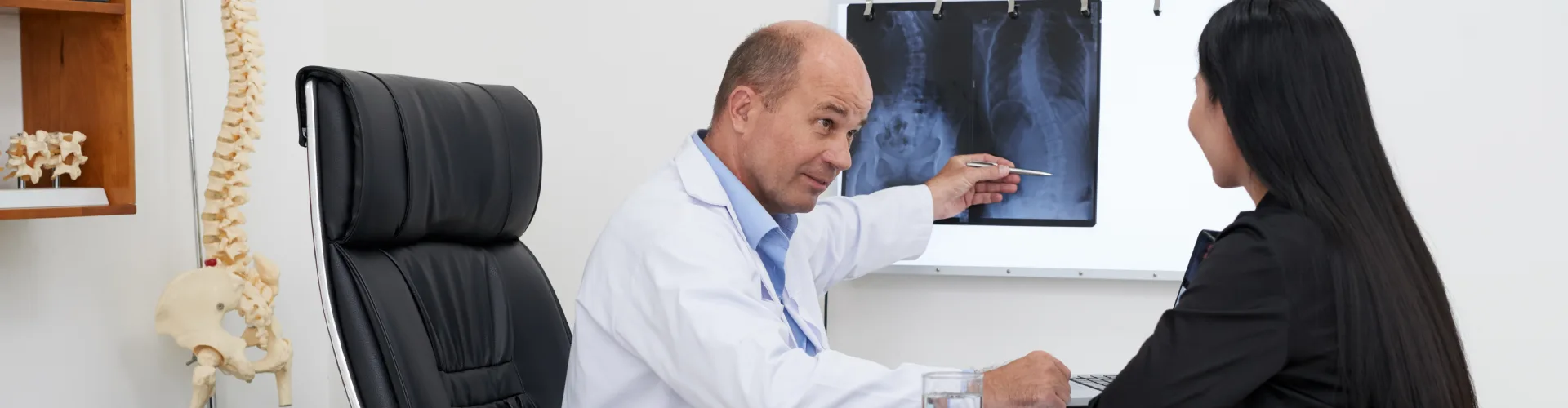
Some people may see a doctor after specialist or physiotherapy care to discuss work capacity documentation. The certificate should be based on a thorough understanding of the patient and translate medical results into a form that a non-medical person can understand. The doctor highlights what the patient can do and what needs to be done, up to the patient's limit.
- Safe Movement: Can office workers go to their desks as usual? Can they go up and down the stairs on their own without any difficulty?
- Capacity: What is the safe lifting limit in the case of an employee using one arm? (e.g., "Fit to lift to 5kg," rather than "Grade 2 strain").
- Driving: Whether the injury or initial medication (e.g., strong painkillers prescribed by the orthopedist) affects the patient's reaction time and, therefore, can lead to serious consequences when driving.
Mobility assessment documentation provides sufficient detail to the employer's limited understanding of the situation, as the basic information focuses on capacity and safety rather than the guiding private medical diagnoses. This approach helps balance employee privacy with workplace safety considerations. Among other workplace safety needs, employees can raise awareness by discussing them during a GP evaluation.
Certificates for Work Adjustments During Recovery
One issue that often arises with the return to work after orthopaedic surgery is the recommendation that "modified duties" are the way to go. A "fit" or "unfit" certificate that appears binary is not pleasant most of the time; safe, gradual steps are the norm rather than the exception.
Documenting Restrictions
Medical certificates can outline temporary work restrictions to support safer duties during recovery.
- Lower Limb Injury: When knees or ankles are injured, the limitation is on walking, not standing, and periods are specified. This also applies to foot injuries. Upper Limb Injury: For shoulder injuries, the restriction is on the overhead movement and the person is not allowed to lift weights with both hands.
- Ergonomic Needs: If a person suffers from back pain and the only way to resolve the situation is to use either a back-supported chair or a standing desk, this must be documented as per the doctor's orders.
The Role of the GP Note
Although a physiotherapist can recommend these changes, a medical certificate from a doctor is often considered the authoritative document for workplace support by insurers and HR departments. It formalises the request, which employers may take into account when meeting workplace health and safety obligations.
If you feel it is necessary to formalise the light-duty request, a doctor may consider whether return-to-work documentation with modified duties is appropriate based on your current condition.
When Fit to Return Notes Are Required After Specialist Care
Typically, an employee in a hazardous industry (such as construction, mining, or transport) may be required by workplace policy to provide medical evidence before returning to duties. Very often, this will require a formal specialist clearance certificate from the specialist or a general practitioner (GP) confirming that the specialist has discharged the patient.
Verification of Safety
This is especially true for surgeries (e.g., ACL reconstruction, spinal surgery) or when fractures occur.
- Confirmation of capacity to resume full duties: A certificate indicating that the fracture has healed and the employee is allowed to engage in all their usual activities without restriction.
- Insurance Regulation: Through this document, It indicates that return-to-work considerations have been reviewed.
The use of a job safety verification note in the closure of injury management explains the entire process. It is the "green light" for security normal operations. Read more about the protocols for workplace safety confirmation.
Closing the Administrative Gap
Prime Medic's after-hours telehealth service serves as a safety net.
- Review of Documents: If you have your discharge summary or physio report, a Prime Medic GP can conduct a review session with you via an after-hours video call.
- Certificate Issuance: The GP may consider whether work-related documentation is appropriate. to cover either your return or your absence based on the report review and talking about your current condition.
- Convenience: No more waiting in an emergency clinic for administrative paperwork.
With this, you may be able to discuss work documentation needs following an after-hours consultation even before the workweek starts Gett access to support in obtaining medical certificates after hours whenever you need them most.



 GP Services
 Allied Health Services
  Mental Health Services
  GP Consultation
 eScript & Prescription
 Online Medical Certificates
 Specialist Referral Request
 Pathology Referral Request
 Radiology Referral Request


 Physiotherapy
 Dietetics
 Telepsychiatry & Online ADHD Psychiatrists
 Online Psychologists
 What We Offer
  Telehealth Services
 Health Conditions


 Certificate Validity
  Corporate Health Services
  Online Doctor Consultation Melbourne
  Online Doctor Consultation in Adelaide
  Online GP Consultation Sydney
  Telehealth Consultation in Perth
  Telehealth GP Appointment for Brisbane Residents